Privacy-Assured Private Blood Testing Services: A Convenient Option
In today's digital age, individuals are demanding more convenient and private blood testing ser.......
Read more →
In an era where personalized medicine is transforming healthcare, the private blood test has emerged as a powerful tool for individuals seeking comprehensive health assessments. This innovative approach allows people to take control of their well-being by providing detailed insights into various aspects of their physical state. The private blood test market is experiencing rapid growth, driven by increasing health consciousness, technological advancements, and a growing demand for proactive healthcare solutions. This article aims to provide an in-depth exploration of the private blood testing phenomenon, covering its definition, global impact, economic implications, technological innovations, regulatory landscape, challenges, successful applications, and future prospects. By delving into these aspects, we will uncover the significance of private blood tests in shaping the future of healthcare.
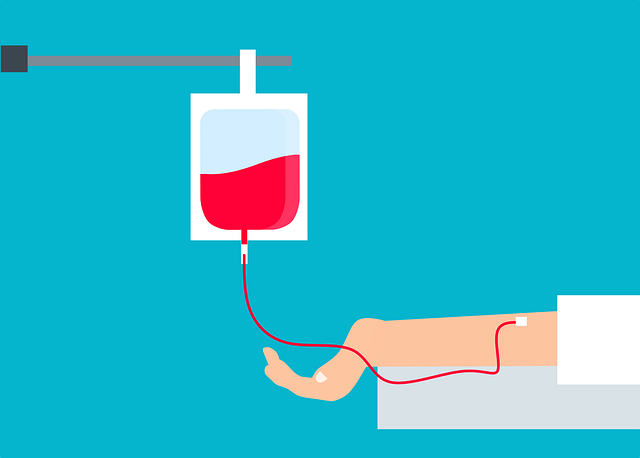
A private blood test, also known as a direct-to-consumer (DTC) genetic testing or personalized medicine testing, is a direct-access genetic screening service that allows individuals to order and receive information about their genetic makeup without requiring a prescription or intermediary healthcare professional. This testing typically involves collecting a small sample of blood, which is then analyzed for various markers, including genetic variants, hormone levels, nutrient status, and disease risk factors. The results provide personalized insights into an individual's health, predispositions, and potential areas of concern.
The concept behind private blood tests revolves around the idea of empowering individuals to take charge of their healthcare. By accessing their unique genetic information, individuals can make more informed decisions about their lifestyle, nutrition, and disease prevention strategies. These tests have evolved significantly over the years, from simple paternity testing to complex panels that assess multiple health-related factors.
Historically, genetic testing was primarily used in clinical settings for specific diagnostic purposes. However, advancements in technology and a growing interest in personalized healthcare have led to the emergence of private blood test companies offering direct-to-consumer services. This shift has democratized access to genetic information, allowing people to explore their health potential without traditional medical intermediation.
The private blood test market has captured global attention, with significant adoption rates across various regions. The increasing prevalence of chronic diseases, rising healthcare costs, and growing demand for preventive care are driving the need for personalized diagnostics. Here’s a glimpse into the global landscape:
North America: The United States remains a pioneer in direct-to-consumer genetic testing, with numerous companies offering a wide range of private blood test options. High awareness about genetics and advanced healthcare infrastructure have contributed to its popularity. Companies like 23andMe and Genomically Yours have played pivotal roles in making genetic information accessible to the general public.
Europe: In Europe, countries like the UK, Germany, and France have embraced private blood testing, with strict regulatory frameworks ensuring consumer protection. The European market is characterized by a mix of established players and innovative startups offering specialized tests for various health conditions.
Asia-Pacific: This region, including countries like China, Japan, and Australia, is witnessing rapid growth in the private blood test market due to increasing healthcare spending and a growing middle class. Companies are focusing on developing affordable yet comprehensive testing solutions tailored to regional health needs.
Emerging Markets: Countries in Latin America, the Middle East, and Africa are also showing interest in private blood tests, with government initiatives promoting genetic research and healthcare accessibility. Access to advanced technologies and increasing internet penetration are driving this trend.
Global market reports suggest that the private blood test market is expected to grow at a significant CAGR during the forecast period, indicating its immense potential and impact on global healthcare.
The private blood test market operates within a complex economic ecosystem, influenced by various factors such as technology, regulation, and consumer behavior. Here’s an overview of the key economic aspects:
| Market Drivers | Impact |
|---|---|
| Increasing Healthcare Costs: Rising healthcare expenses globally have prompted individuals to seek cost-effective and preventive care solutions. Private blood tests offer a relatively affordable way to gain insights into potential health risks, appealing to cost-conscious consumers. | Encourages proactive health management and reduces long-term healthcare expenditure. |
| Personalized Medicine Trend: The growing emphasis on personalized healthcare has driven demand for direct-to-consumer genetic testing. Patients are increasingly seeking tailored treatments based on their unique genetic profiles. | Posits private blood tests as a valuable tool in the shift towards precision medicine. |
| Technological Advancements: Improved DNA sequencing technologies and data analytics have made private blood testing more accessible, accurate, and affordable. | Enables the development of more comprehensive test panels and real-time health monitoring solutions. |
| Consumer Health Awareness: Rising health consciousness has led consumers to take a more active role in managing their well-being. Private blood tests cater to this trend by providing individuals with actionable health information. | Fuels market growth and encourages continuous engagement between consumers and healthcare providers. |
The private blood test market is characterized by intense competition, with numerous players offering varying test panels targeting different demographics. This competitive landscape has led to innovative pricing strategies, such as subscription models and bundle offers, to attract and retain customers.
Technological advancements have played a pivotal role in the evolution of private blood tests, improving accuracy, speed, and accessibility. Here’s how technology is shaping this field:
Next-Generation Sequencing (NGS): NGS technologies have revolutionized genetic testing by enabling high-throughput sequencing at a lower cost. This advancement allows for the analysis of entire genomes or targeted regions, providing deeper insights into an individual's health.
Artificial Intelligence (AI) and Machine Learning: AI algorithms are being utilized to interpret complex genomic data and identify patterns associated with various health conditions. These technologies enhance predictive modeling, enabling more accurate disease risk assessments.
Liquid Biopsies: This emerging technology involves analyzing circulating tumor DNA or other biomolecules in blood samples, allowing for non-invasive cancer screening and monitoring. It holds immense potential for early disease detection and personalized treatment planning.
Digital Health Platforms: Mobile apps and online platforms are being developed to provide users with intuitive interfaces for managing their test results, tracking health trends, and connecting with healthcare professionals. These digital solutions enhance the overall user experience.
Given the sensitive nature of genetic information, the private blood test market is subject to strict regulations to safeguard consumer privacy and ensure test accuracy. Here’s an overview of key regulatory considerations:
Data Privacy and Security: Companies handling genetic data must adhere to stringent data protection laws, such as GDPR in Europe and HIPAA in the US, to maintain consumer trust. Encryption techniques and secure storage systems are essential for safeguarding sensitive information.
Test Accuracy and Validation: Regulatory bodies require private blood test providers to validate the accuracy and reliability of their testing methods. This includes rigorous quality control measures and adherence to clinical laboratory standards.
Consumer Informed Consent: Companies must obtain explicit consent from users before collecting and analyzing their genetic data, ensuring consumers understand the implications and potential risks associated with testing.
Marketing and Labeling: Clear and transparent marketing practices are essential to ensure consumers receive accurate information about test capabilities and limitations. Proper labeling of test kits is crucial for user guidance.
Despite its numerous benefits, the private blood test market faces several challenges and ethical dilemmas that require careful navigation:
Interpretation Complexity: Interpreting genetic results can be complex, as many variants have unknown clinical significance. Companies must ensure that they provide clear and actionable interpretations to avoid causing unnecessary alarm or confusion.
Health Insurance Coverage: In many regions, private blood tests are not covered by traditional health insurance plans, making them a financial burden for some consumers. Addressing this issue is crucial for widespread adoption.
Ethical Use of Data: Genetic data holds immense value and potential for discrimination or misuse. Regulators and companies must implement robust measures to protect consumer privacy and ensure ethical handling of genetic information.
Regulatory Harmonization: The lack of uniform regulations across regions can create challenges for international companies offering private blood tests. Harmonizing standards while respecting local legal frameworks is essential for global market growth.
Private blood tests have already made a significant impact in various healthcare settings, with numerous success stories and potential applications:
Cancer Screening: Liquid biopsies and genetic testing have shown promise in early cancer detection, allowing for timely intervention and improved patient outcomes. Companies like Guardant Health are making strides in this area.
Personalized Nutrition: Private tests can provide insights into an individual's nutritional needs, leading to tailored dietary recommendations. This approach may aid in managing conditions like obesity and diabetes.
Pharmacogenomics: Understanding how genes influence drug metabolism can help prescribe the most effective medications with optimal dosages, reducing adverse effects.
Predictive Health Monitoring: Continuous tracking of health markers through private blood tests can enable early detection of emerging health trends and risk factors, allowing for proactive interventions.
Mental Health and Wellness: Some companies offer tests to assess stress levels, hormone balance, and other factors contributing to mental well-being, providing insights for personalized wellness plans.
The private blood test market is poised for further growth and innovation, driven by emerging technologies and evolving healthcare trends. Here’s a glimpse into the future:
Advanced Genomic Technologies: As genomic sequencing becomes more accessible and affordable, future tests may include comprehensive genome scans, providing even deeper insights into health and disease susceptibility.
Integration with Wearable Devices: Private blood test companies are likely to collaborate with wearable technology providers to offer integrated solutions that combine genetic information with real-time health monitoring from wearables.
Personalized Treatment Planning: With advancements in AI and machine learning, private tests could play a pivotal role in personalized medicine by predicting treatment outcomes and guiding clinical decisions.
Global Accessibility: Efforts to lower costs and improve accessibility will make private blood tests available to a broader global population, bridging healthcare disparities.
Regulatory Innovation: Regulatory bodies may introduce new frameworks that encourage innovation while ensuring consumer safety, fostering a more dynamic market environment.
In conclusion, private blood tests represent a transformative shift in healthcare, empowering individuals with valuable insights into their health and well-being. As technology advances and regulations evolve, this market is poised to revolutionize personalized medicine and improve global health outcomes.